Small Bathroom Ideas: Smart Space-Saving Design
As a seasoned designer and writer with over ten years in the field, I know that small bathroom ideas demand a balance of clever layout, durable materials, and thoughtful lighting. This guide provides practical, EEAT-focused strategies to design and renovate compact baths with confidence, backed by proven tips for layout, color, storage, fixtures, and finishes. Whether you are updating a powder room or redesigning a guest bath, these ideas help you maximize every square inch while maintaining style.
Foundational principles for small bathroom ideas
Start with a clear plan that prioritizes workflow: from entry to vanity to shower and toilet. Leverage vertical space with shelving and tall storage, and use reflective surfaces to visually expand the room. A cohesive palette and minimal clutter create a calm, spa-like atmosphere even in tight spaces.
Layout and footprint optimization
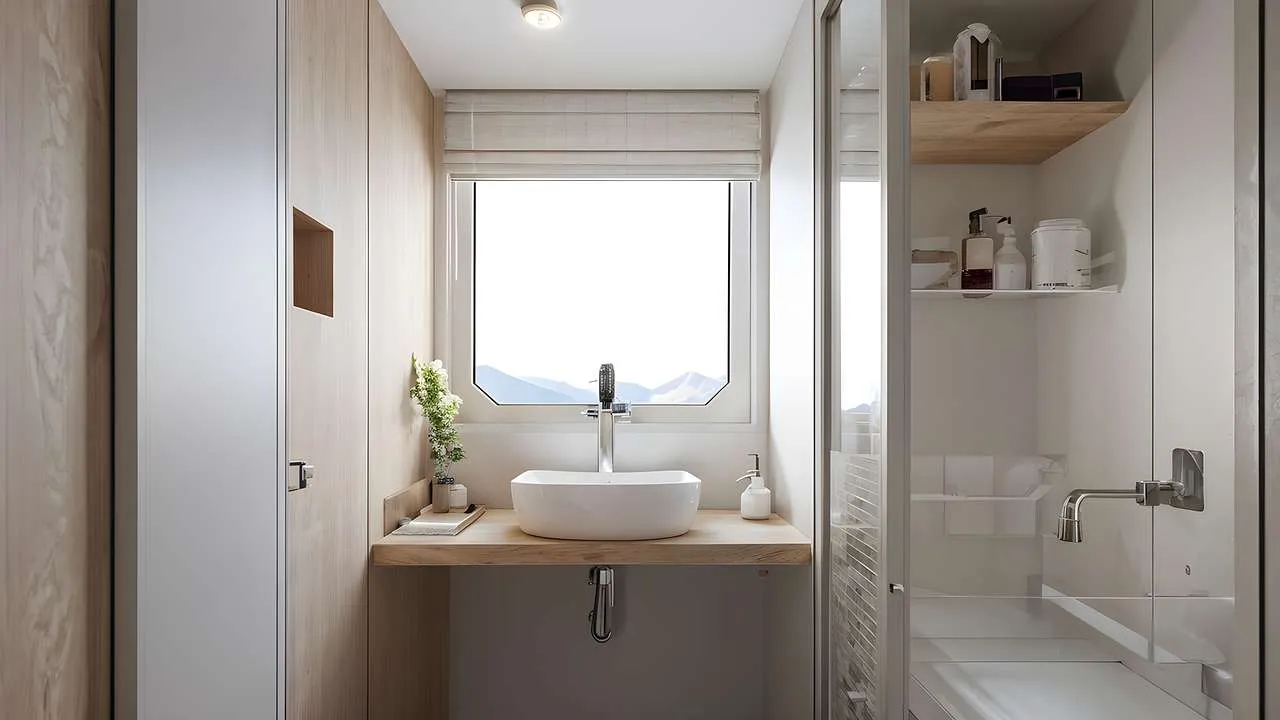
In a small bathroom, every inch counts. Consider pocket doors or a door that swings outward, a floating vanity to create under-vanity openness, and a corner sink to free floor space. A slim, wall-hung toilet can also reduce visual bulk. If possible, run the shower adjacent to the vanity to streamline the plumbing and keep wet zones contained.
Color and materials
Choose light, neutral colors for walls and larger surfaces to reflect light. Pair with glossy or polished finishes that bounce light, and select durable materials like tempered glass and porcelain tile. Large-format tiles reduce grout lines, which keeps surfaces looking clean and spacious. Keep the palette cohesive across cabinetry, countertops, and fixtures to avoid a busy, chopped-up feel.
Storage solutions for tiny spaces
Smart storage is essential: built-in niches in the shower, recessed medicine cabinets, and tall, slim storage units that reach to the ceiling. A floating vanity provides legroom and makes the floor appear larger, while pull-out organizers maximize internal space. Use transparent containers and minimal hardware to reduce visual clutter.
Shower and tub options
In many small baths, a shower is a smarter choice than a full tub. A frameless glass shower enclosure visually enlarges the space and prevents a chopped-off look at the far end. If a tub is necessary, a compact soaker tub or a corner bathtub can fit into tight footprints. Consider a wet room configuration where the shower area flows into the rest of the bathroom with proper drainage and splash protection.
Lighting and mirrors
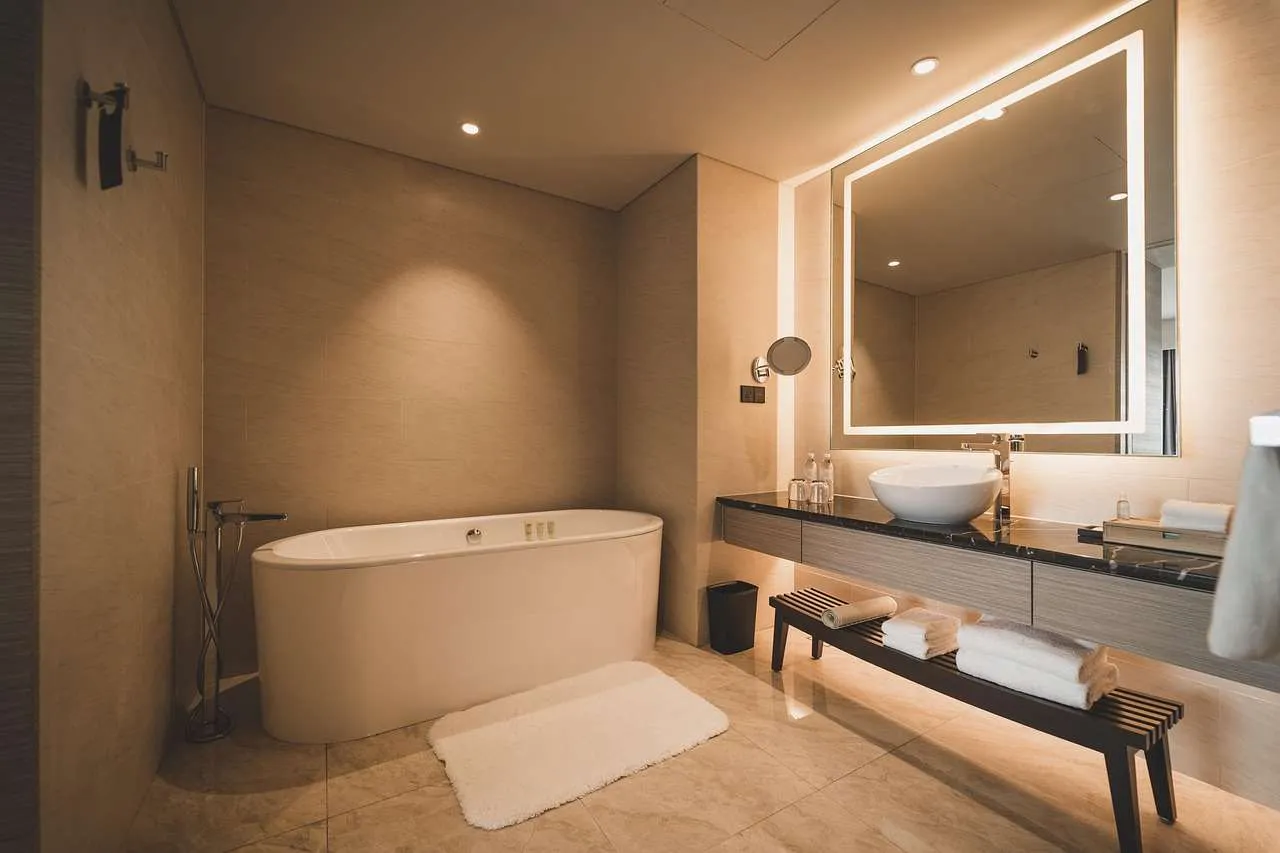
Layered lighting matters more in small baths. Combine ambient, task, and accent lighting to avoid shadows. Recessed ceiling lights, a backlit mirror, and vanity sconces at eye level create depth and reduce dark corners. A large mirror or a mirrored wall doubles the perceived size and improves functionality for grooming.
Finishes, fixtures, and efficiency
Choose fixtures with clean lines and water-saving features. Wall-mounted faucets and dual-flush toilets conserve space and water. Use slip-resistant flooring for safety, and select finishes that resist moisture and fingerprints. Durable materials with simple maintenance routines extend life in high-traffic areas.
Budget-friendly upgrades
You can transform a compact bath without major remodeling. Start with bright paint, updated lighting, and a new vanity. Regrout existing tile, replace damaged seals, and add flexible storage solutions like modular organizers. If the budget allows, invest in a high-quality glass shower door and a continuous grout line mitigate maintenance. Small changes can yield a high return in perceived space and daily comfort.
Compare design approaches
| Approach | Pros | Cons | Best Use |
|---|---|---|---|
| Open, light-filled | Feels larger, easier maintenance | Requires strong lighting plan | Rooms with daylight or good artificial light |
| Vertical storage and floating fixtures | Maximizes floor space | Can require precise installation | Very small baths needing storage |
| Wet room or glass-enclosed shower | Expanded feel, easy cleaning | Higher initial cost, moisture management | Shower-focused strategies in compact baths |
Conclusion: Not all small bathrooms require dramatic changes. It is possible to achieve a practical, beautiful space by combining these strategies with careful planning, quality materials, and attention to moisture control. The right layout, light palette, and smart storage can turn a cramped room into a comfortable, functional area that feels larger than its footprint.
Summary: In small bathrooms, smart layout choices, light colors, reflective surfaces, and clever storage create the illusion of space while maintaining daily usability. Prioritize workflow, choose finishes that resist moisture, and invest in lighting and mirrors to finish the look with a cohesive, timeless feel.